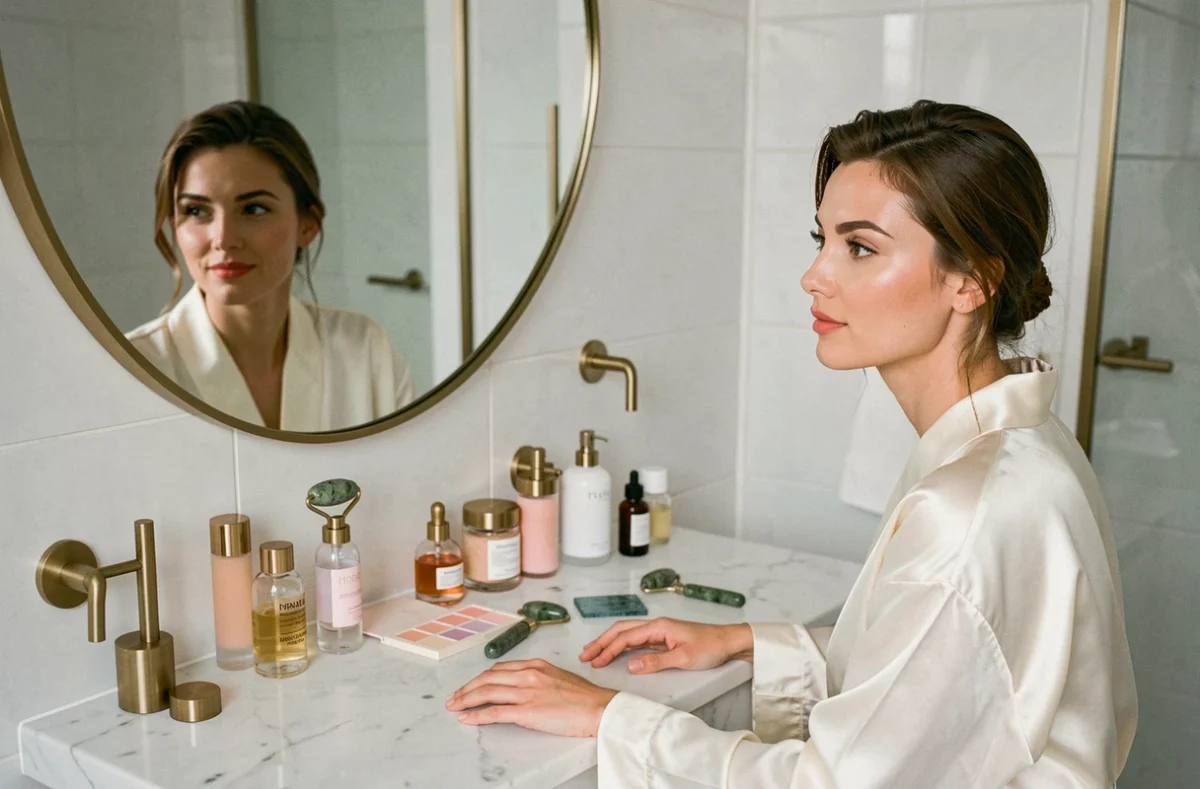
When opening a new foundation or serum purchased a few weeks ago, one might not necessarily think about the regulations that have changed in the meantime. Yet, this is what is happening right now: recent European texts are modifying the composition, labeling, and even the vocabulary allowed on beauty product packaging. These constraints are reshaping the beauty trends of the season just as surely as the fashion shows.
Allergens in perfumes: what changes on labels this autumn
Since July 31, 2026, Regulation (EU) 2023/1545 requires manufacturers to declare an expanded list of fragrance allergens on newly marketed products. Specifically, a fragrance or scented care product launched after this date will display more mentions on its packaging.
For products already on the shelves, the transition period runs until July 31, 2028. Thus, we find ourselves with two generations of labels coexisting in stores. If you compare an old bottle with its recent version, the INCI list will be longer, even if the formula has not necessarily changed.
This obligation is pushing some brands to reformulate their scented products to reduce the number of declared allergens. The result: more streamlined olfactory textures, with fewer sensitizing compounds. To follow the news on Beauty Girl, we also notice that several brands are now communicating about their “short list” formulas, a selling point that has become attractive.
Environmental claims and the end of greenwashing in cosmetics
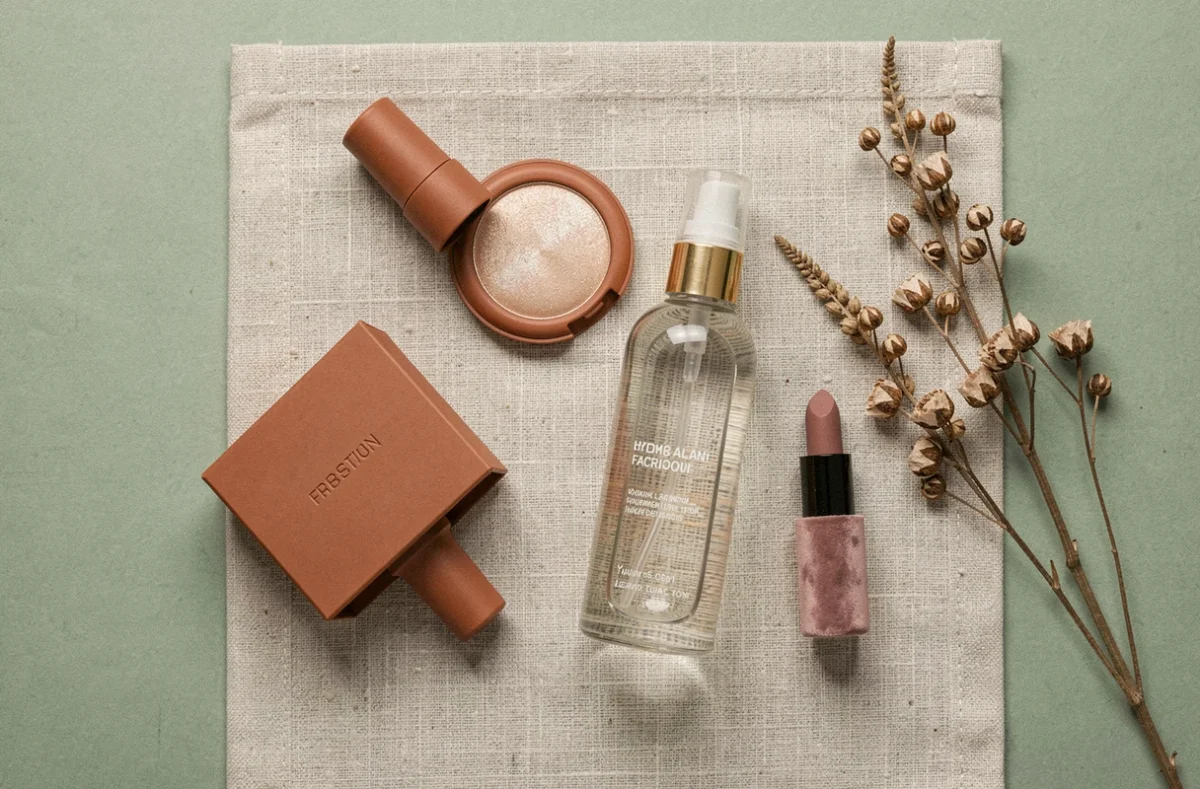
Mentioning “natural,” “eco-friendly,” or “environmentally friendly” on a beauty product can no longer be done without documented proof. The new European rules on environmental claims require brands to provide a verifiable traceability of materials and the claimed benefits.
In practice, vague mentions like “green formula” or “eco-responsible” are disappearing from packaging without specifics. Brands that want to maintain a sustainable positioning must now publish accessible data: origin of ingredients, carbon footprint of packaging, actual percentage of recycled materials.
This tightening of regulations benefits solid cosmetics. The French market for solid cosmetics is experiencing notable growth, driven by a demand for tangible formats where packaging reduction is measurable, not just declarative. A solid shampoo without plastic overwrapping does not need to justify a green claim; the format speaks for itself.
What this changes at the time of purchase
- Labels contain more regulatory text, making quick reading in-store more complicated. Taking the time to turn the product over becomes a useful reflex.
- Third-party labels (Ecocert, Cosmos, NATRUE) gain credibility in contrast to self-declarations that are declining.
- Budget brands are reformulating their communication before their formula, creating a temporary gap between the messaging and the actual product.
Microplastics in care products: staggered deadlines until 2035
Regulation (EU) 2023/2055 does not eliminate microplastics all at once. Deadlines vary by product category, creating a situation that is hard to read for consumers. Rinse-off cosmetics (creams, serums, sunscreens) have a longer transitional period than rinse-off products.
Some makeup and nail products can remain compliant with microplastics in their formula until 2035. We are far from an immediate ban.
For facial care, the underlying trend remains the same: formulas based on natural or biotechnological actives are gradually replacing synthetic texture agents. Feedback varies on this point, as some consumers find that new textures without synthetic polymers are less pleasant to apply.
Actives and textures rising this season
Serums concentrated in fermented or encapsulated actives are multiplying in autumn ranges. The goal: to compensate for the loss of texture associated with the removal of certain polymers by providing perceived effectiveness from application.
Hyaluronic acid remains omnipresent, and its use is expanding. It is now found in unexpected categories, including some nail polishes that incorporate this active into their care formula.
Autumn 2026 makeup: worked skin and blurred lips
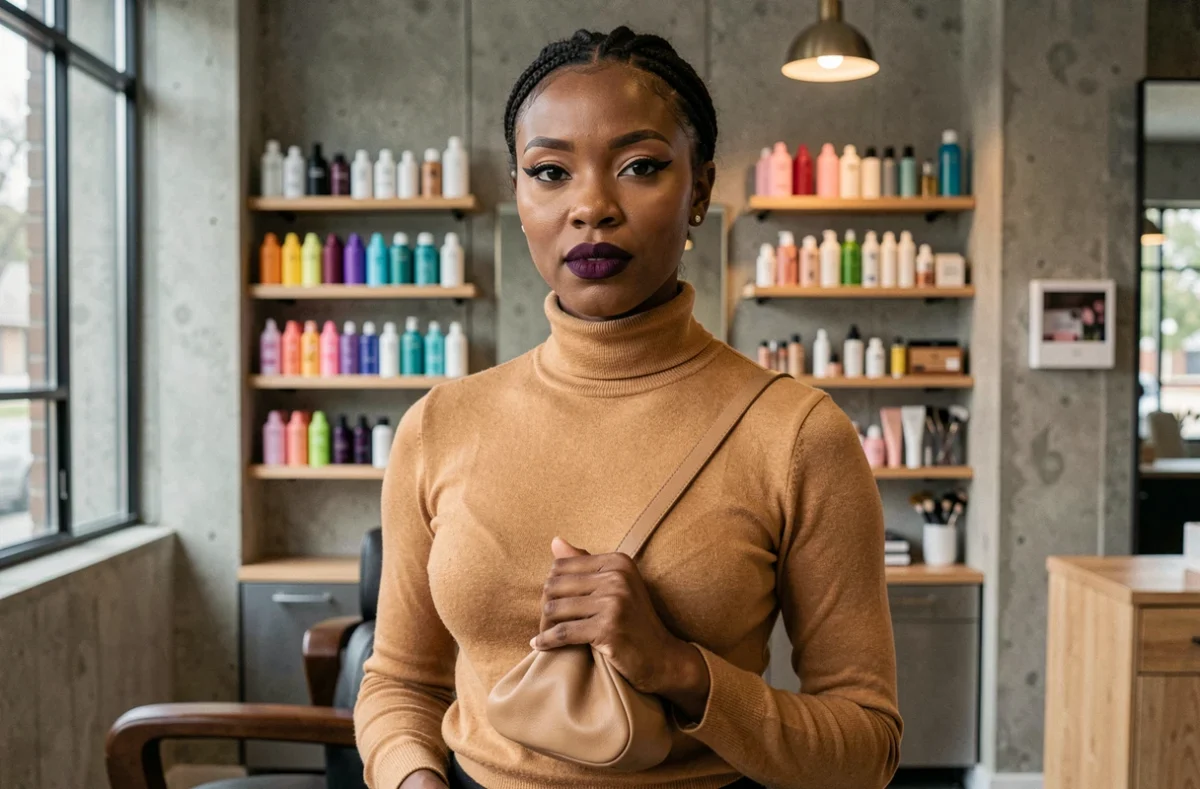
On the makeup side, the dominant trend focuses on a radiant skin without a mask effect. The term “Mochi Skin,” coming from Japan, describes a plump, slightly shiny complexion achieved by layering moisturizing products under a light foundation. The result moves away from the full matte of previous seasons.
On the lips, the “blurred lip” continues to assert itself. The outline is intentionally softened for a diffused effect, as if the color had been applied with fingertips. Several makeup looks spotted during the latest shows in Paris confirm this direction.
- Foundation: favor satin-finish formulas rather than matte or ultra-glossy. Satin ages better throughout the day.
- Lips: tomato and terracotta shades replace the cool pinks of summer. The blurred application remains the key technique.
- Nails: dark colors (plum, burgundy) are making a comeback, often paired with care integrated into the nail polish formula.
The season also promotes the “Project Pan” movement spotted on social networks, which consists of finishing products before repurchasing. This anti-waste reflex aligns with the regulatory pressure on environmental claims: we consume less, but better.
The coming months will be marked by this convergence between regulatory constraints and aesthetic choices. Formulas are evolving because the law requires it, and makeup trends are adapting to these new textures. Keeping an eye on the application dates of regulations helps to understand what is arriving on the shelves as well as to choose the right product.